


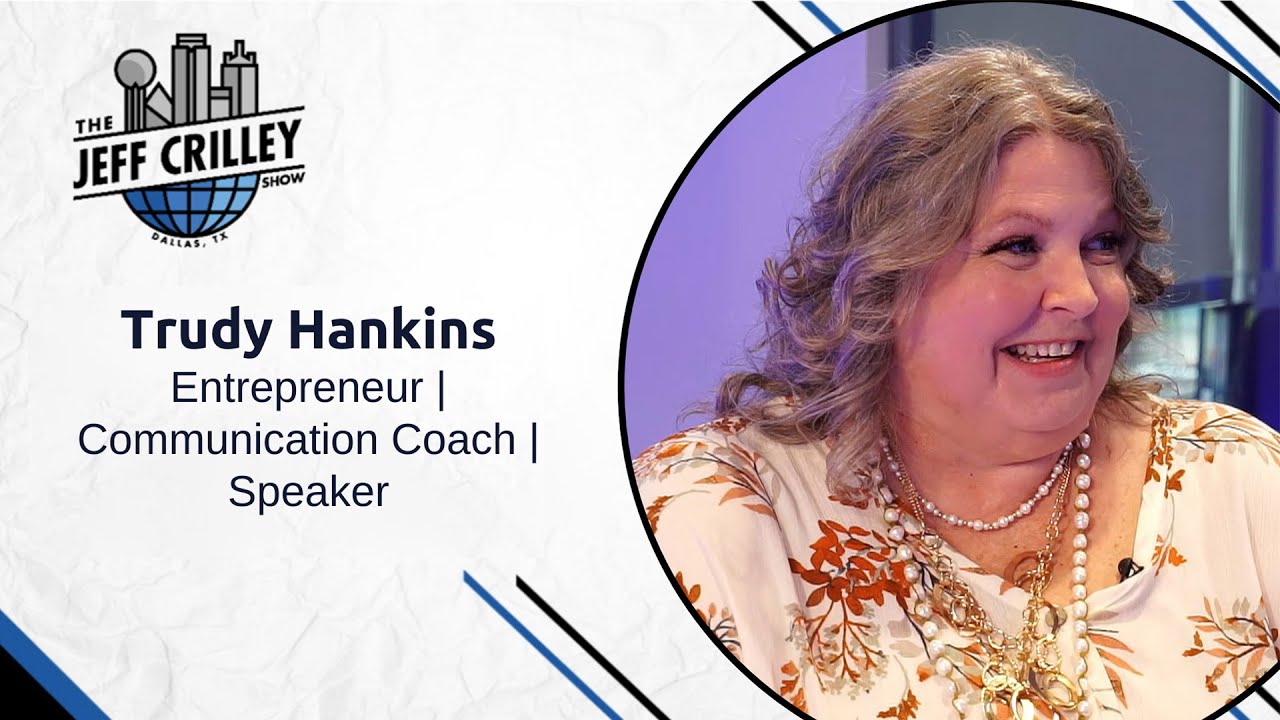
29 Aug Communicate with Confidence: Insights from Expert Trudy Hankins
Effective communication is an essential skill in both personal and professional realms. In a recent episode of The Jeff Crilley Show, communication expert Trudy Hankins shared invaluable insights on how to enhance communication skills for better relationships and successful leadership.
The Importance of Communication Styles
Understanding personal communication styles is crucial for effective interactions. Trudy emphasizes that communication involves not just the spoken words but also nonverbal cues, which account for approximately 50 to 97% of our behavior. Misinterpretations often arise when these nonverbal signals are overlooked. By recognizing and adapting to both one’s own and others’ communication preferences, individuals can foster clearer dialogue and stronger connections.
Active Listening: A Game Changer
One of the core tenets of effective communication discussed in the podcast is active listening. Trudy highlights that many people focus too much on crafting their responses instead of truly hearing what the other person is saying. This often leads to conflicts, especially in personal relationships and workplaces. Trudy advocates for being present, listening without judgment, and engaging honestly with the speaker. Such approaches can defuse tension and lead to healthier, more constructive conversations.
Tailoring Communication for Impact
Trudy shares her favorite type of client—the small to mid-sized organizational leader—whom she helps to enhance communication with their teams. She believes that effective communication strategies begin at the top. By working with leaders to address their own conflicts and communication preferences, Trudy helps to establish a healthier workplace culture. This transformation often positively influences personal relationships as well, showcasing the interconnectedness of communication skills in various aspects of life.
Overcoming Imposter Syndrome
Trudy also touches on the prevalent issue of imposter syndrome, particularly among younger leaders. She advises young professionals to understand their leadership styles and to leverage their unique communication strengths. Instead of trying to conform to outdated expectations or norms, they should embrace their authentic selves, focusing on their strengths rather than their weaknesses. This approach not only fosters confidence but also enhances team dynamics.
Building Relationships in the Workplace
The podcast discusses the necessity of building relationships, especially when leading diverse teams. Trudy points out that a young leader must recognize the preferences and backgrounds of their team members, particularly when there’s a generational gap. By fostering genuine connections and designing meetings that incorporate team members’ strengths, leaders can significantly improve morale and productivity.
Ultimately, navigating the complexities of communication—whether in personal relationships or corporate environments—begins with understanding and adapting to one another’s styles. Trudy Hankins’ insights serve as a valuable guide for anyone looking to enhance their dialogue capabilities and foster a culture of openness and understanding.
For more insights from Trudy, visit her website at trudyhankins.com.